The Future of Driving Is Already Here: Why Modern Cars Feel More Digital Than Ever

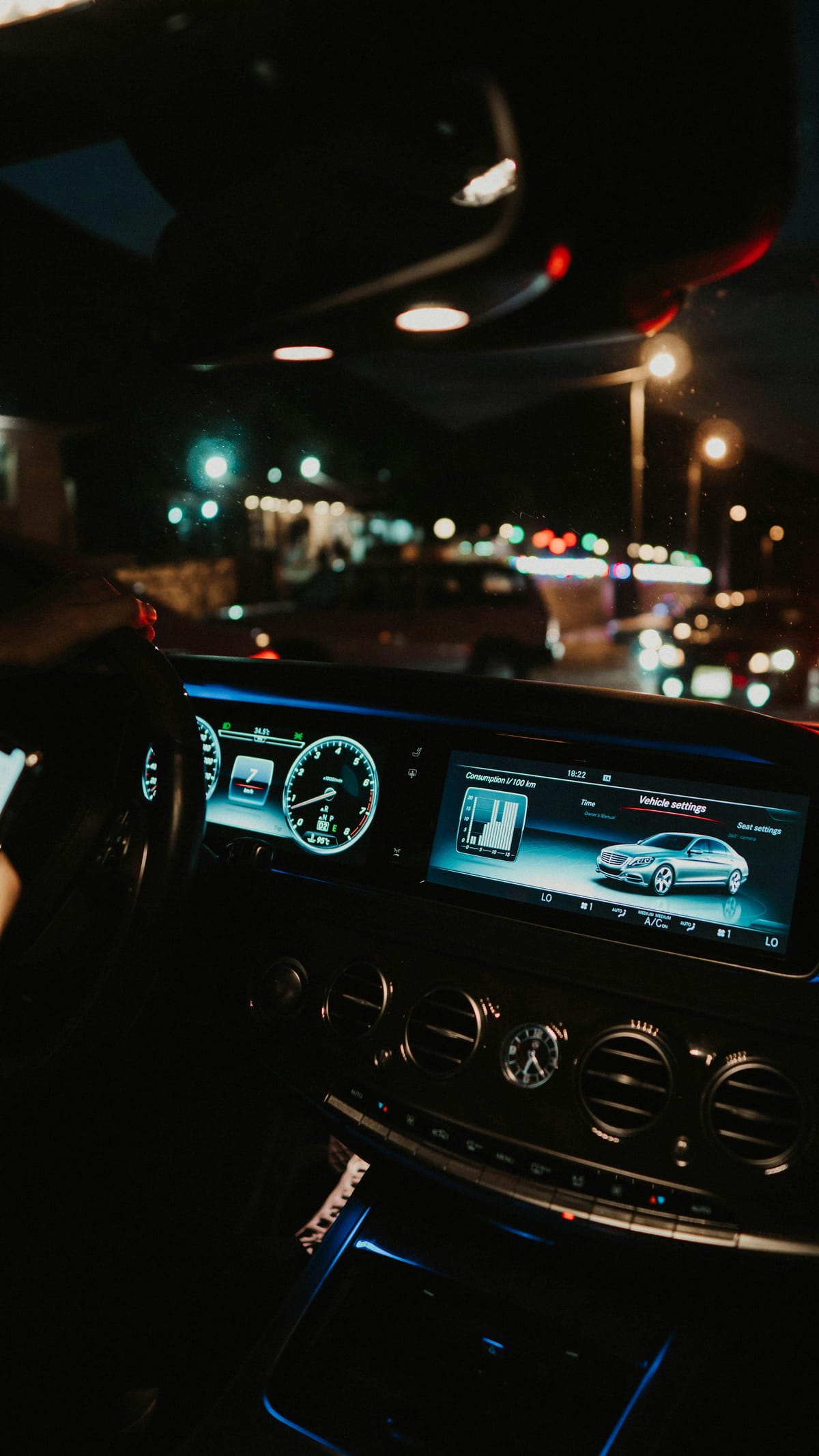
Late-night highways, glowing digital dashboards, intelligent navigation systems, and AI-assisted driving — the modern driving experience looks very different from what drivers knew even five years ago.
In 2026, the automotive industry is rapidly transforming into a technology-driven ecosystem where software, connectivity, and automation are becoming just as important as horsepower and design.
Digital Cockpits Are Replacing Traditional Interiors
Modern vehicles are no longer just transportation machines. They are becoming connected digital platforms.
Today’s drivers increasingly expect:
- real-time traffic updates,
- AI navigation assistance,
- advanced driver monitoring,
- wireless software updates,
- smartphone-like interfaces,
- voice-controlled systems.
Large digital displays and intelligent dashboards are now standard not only in luxury vehicles, but also in many mainstream models.
For younger buyers especially, the “tech experience” inside the car has become a major purchasing factor.
Electric Vehicles Continue Reshaping the Industry
Electric vehicles remain one of the biggest forces behind automotive innovation.
Manufacturers are investing heavily in:
- longer battery range,
- faster charging,
- autonomous technologies,
- software ecosystems,
- connected driving experiences.
At the same time, global EV competition is pushing traditional automakers to accelerate development much faster than originally planned.
Many analysts now believe the next major competition in the automotive world will focus less on engine performance and more on:
- software reliability,
- AI integration,
- user experience,
- connected services.
Smart Driving Features Are Becoming Normal
Features that once felt futuristic are quickly becoming everyday standards.
Modern vehicles increasingly include:
- adaptive cruise control,
- lane assistance,
- automatic emergency braking,
- collision alerts,
- intelligent parking systems,
- driver fatigue monitoring.
While fully autonomous driving is still developing, semi-autonomous systems are already reshaping how people interact with vehicles daily.
The Used Car Market Is Also Changing
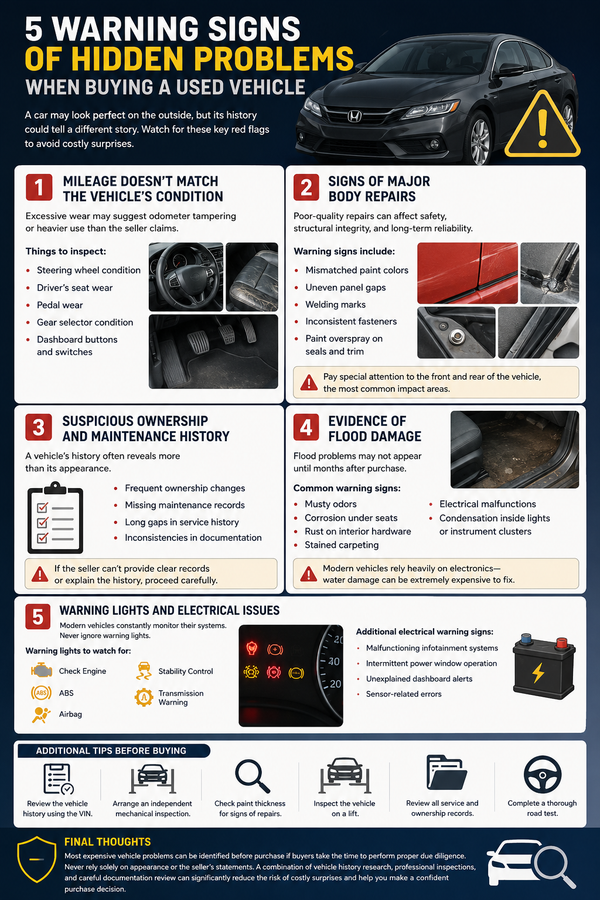
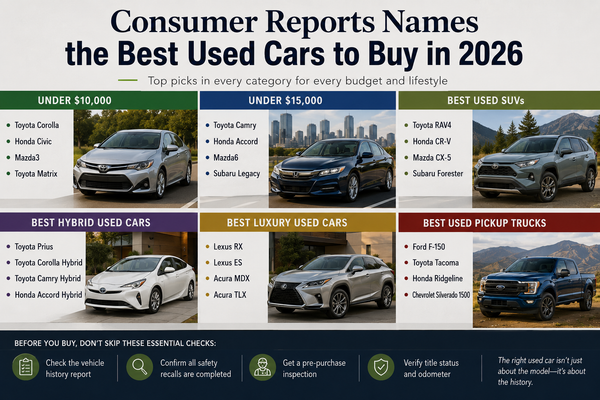
As vehicles become more digital, the used car market becomes more complicated.
Buyers are no longer checking only:
- engine condition,
- mileage,
- paint quality.
Now they also care about:
- software history,
- sensor calibration,
- ADAS system repairs,
- battery health,
- connected system functionality.
This is one reason VIN reports and vehicle history checks continue gaining importance in 2026.
Hidden accident damage or flood exposure can now affect not only mechanical parts, but also expensive electronic systems and driver-assistance technology.
Why Transparency Matters More Than Ever
The modern automotive market is evolving rapidly, but so are the risks.
Flood-damaged vehicles, salvage cars, odometer fraud, and poorly repaired auction vehicles still remain common problems in the used car industry.
As vehicles become more advanced technologically, hidden issues also become more expensive to repair.
That is why more buyers now verify:
- VIN history,
- title status,
- auction activity,
- accident records,
- ownership history,
before making a purchase.
The Automotive Industry Is Becoming a Technology Industry
The biggest shift happening right now may not be electric motors or autonomous driving alone.
It is the fact that modern cars are increasingly becoming software-driven products.
The future of driving is no longer only about speed or performance.
It is about:
- connectivity,
- intelligent systems,
- automation,
- transparency,
- digital trust.
And in many ways, that future has already arrived.
👉 VIN checks and vehicle history reports:
CheapVINReport