A Flood of Used EVs Could Change the Automotive Market Forever

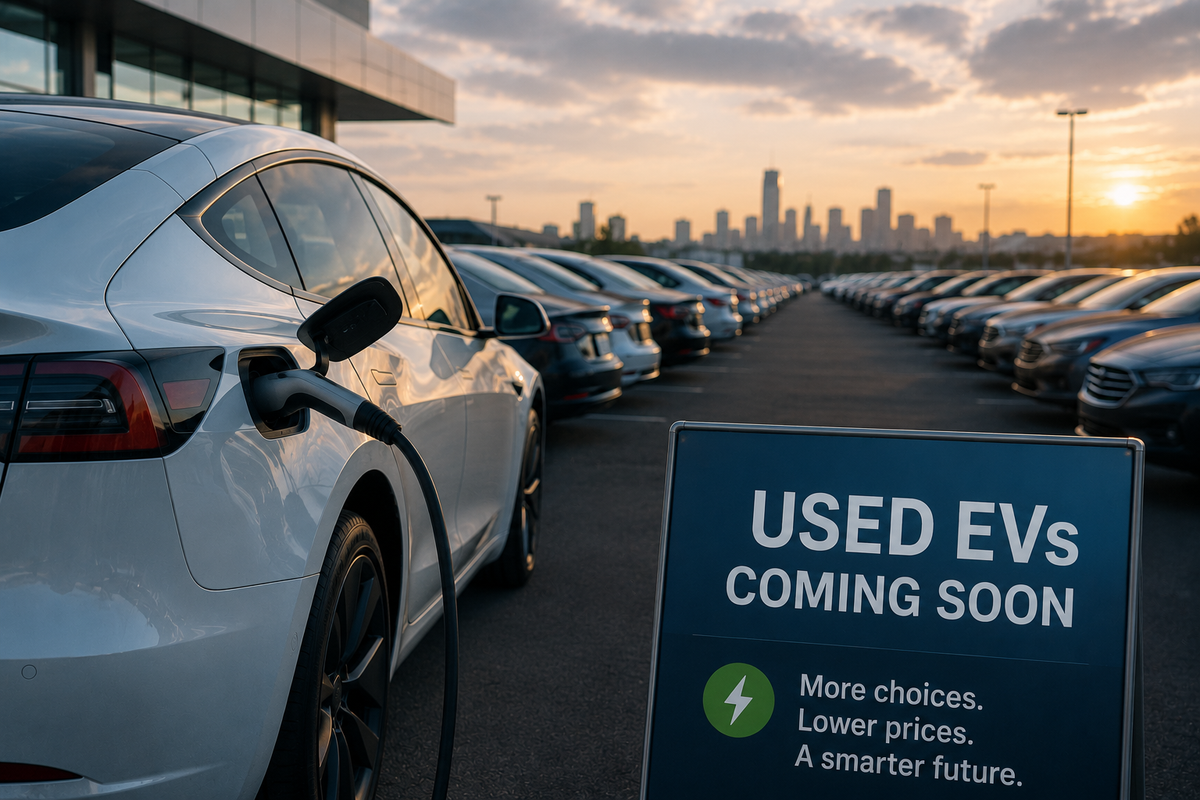
The automotive industry may be approaching a turning point that few buyers are fully prepared for.
Over the next several years, hundreds of thousands of electric vehicles are expected to enter the used car market as lease agreements expire and fleet operators begin replacing older EVs with newer models.
For consumers, this could create one of the biggest opportunities in the history of the used vehicle market.
For dealers, manufacturers, and auction houses, it could reshape how vehicles are bought and sold.
The First Major Wave of Used EVs
When electric vehicles first became popular, most buyers focused on new models.
Governments offered incentives.
Manufacturers invested heavily in production.
Consumers were curious about new technology.
As a result, millions of EVs entered roads around the world through leases, company fleets, and private purchases.
Now many of those vehicles are reaching the end of their initial ownership cycle.
The result is simple.
A growing number of used electric vehicles are becoming available for resale.
Industry analysts believe this trend will accelerate significantly between 2026 and 2028.
Why Prices Could Fall
Unlike traditional gasoline vehicles, electric vehicles have experienced rapid technological improvements over a relatively short period.
Battery range has increased dramatically.
Charging speeds have improved.
Software systems have become more advanced.
As newer models enter the market, older EVs face stronger depreciation pressure.
This creates an unusual situation.
Many electric vehicles that originally sold for premium prices may become surprisingly affordable on the used market.
For buyers who previously could not justify purchasing a new EV, this may create an attractive entry point.
A New Opportunity for Consumers
For years, one of the biggest barriers to EV adoption has been price.
While operating costs are often lower than gasoline vehicles, the initial purchase price remains a challenge for many households.
A larger used EV market could change that.
Consumers may soon find electric vehicles available at prices comparable to traditional used sedans and crossovers.
Lower purchase prices combined with reduced fuel and maintenance costs could make EV ownership accessible to a much larger audience.
For many families, the first electric vehicle they own may not be new.
It may be used.
The Questions Buyers Should Ask
Despite the opportunities, purchasing a used EV requires a different approach than buying a traditional vehicle.
Battery condition becomes one of the most important factors.
Unlike an engine, battery performance gradually changes over time.
Mileage alone does not tell the complete story.
Charging habits, climate conditions, maintenance records, and software updates can all influence long-term performance.
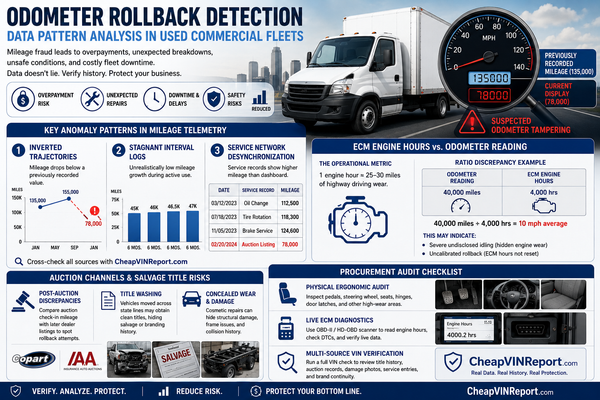
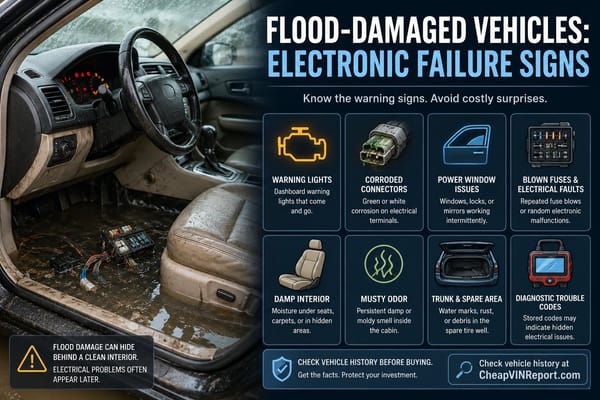
Buyers should also review ownership history, accident records, flood exposure, title status, and service documentation before making a decision.
A low price can be attractive.
But understanding the vehicle's history remains essential.
Auctions Are Becoming More Important
Vehicle auctions are expected to play a major role in the transition.
As leasing companies and fleet operators dispose of older EVs, many of these vehicles will pass through wholesale auction channels before reaching dealerships.
This means buyers may soon see significantly more electric vehicles appearing at auctions across North America, Europe, and Australia.
For dealers, this creates opportunities to diversify inventory.
For consumers, it means more choices than ever before.
What This Means for the Automotive Industry
The growth of the used EV market could influence nearly every part of the automotive ecosystem.
Dealers may need new inspection standards.
Repair shops will require additional technical expertise.
Auction platforms may expand EV-specific grading systems.
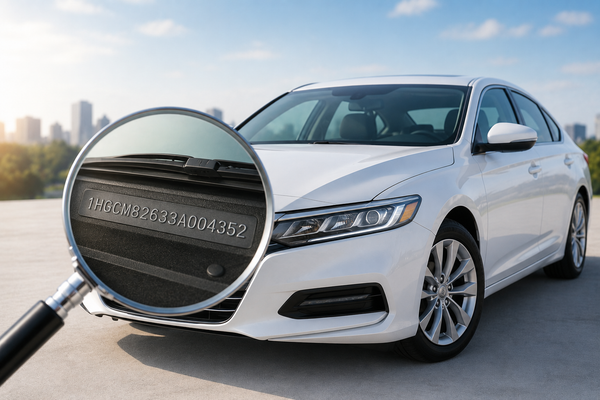
Vehicle history providers will play an increasingly important role in helping buyers evaluate battery health and ownership history.
The shift may also accelerate EV adoption among consumers who were previously hesitant to purchase new electric vehicles.
The Beginning of a New Market
The first generation of mass-market electric vehicles helped prove that EV technology could succeed.
The second phase may be even more important.
A healthy used EV market has the potential to bring electric transportation to millions of additional buyers.
For consumers, that could mean more affordable choices.
For the industry, it represents the next stage in the evolution of automotive ownership.
One thing is becoming increasingly clear.
The future of the used car market may be electric.
And that future is arriving faster than many expected.
AutoPulse Journal follows developments in the global automotive industry, vehicle history trends, used car markets, auctions, and emerging transportation technologies.