Some Drives Are Worth Remembering: Why We Love Cars Beyond Transportation

There are few things in modern life that combine freedom, technology, emotion and personal identity quite like a car.
To some people, a vehicle is simply transportation — a practical tool used to get from home to work and back again. But for millions of drivers around the world, cars represent something much deeper. They symbolize independence, adventure, achievement, and sometimes even a lifelong passion.
Think about the moments that stay with us.
The first time we drove alone after getting a license.
A road trip with friends across unfamiliar roads.
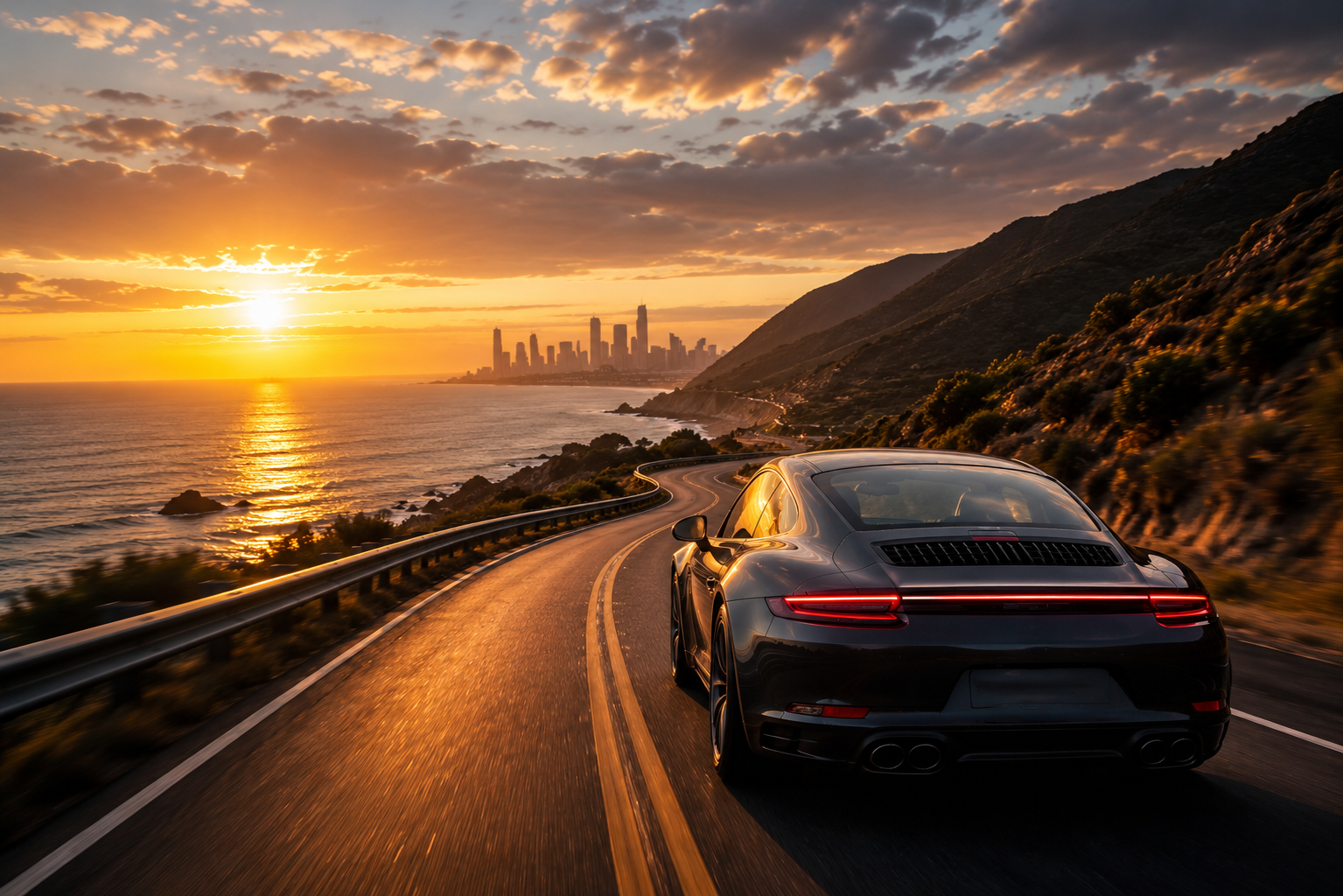
A quiet drive at sunset after a stressful day.
A family vacation packed with memories.
Or perhaps the excitement of finally sitting behind the wheel of a dream car.
Most people don't remember every commute. But they do remember certain drives.
Because some drives become experiences.
And some experiences stay with us forever.
Cars Have Always Been More Than Machines
Since the earliest days of the automobile, cars have represented more than engineering.
They changed how people lived, worked and traveled. They expanded opportunities and connected communities. Entire cultures formed around them.
From classic American muscle cars to German luxury sedans, Japanese sports cars and modern electric vehicles, every generation has had its automotive icons.
People attend car shows not because they need transportation, but because they appreciate design, craftsmanship and innovation.
Enthusiasts spend weekends restoring vehicles that may never be worth the money invested.
Collectors preserve rare models for future generations.
And countless drivers simply enjoy being on the road.
The emotional connection between people and automobiles remains remarkably strong, even as technology continues to transform the industry.
The Simple Joy of Driving
In a world that moves faster every year, driving can be surprisingly therapeutic.
Many drivers understand the feeling.
The road is quiet.
The music is playing.
The city lights reflect across the windshield.
For a few moments, there are no notifications, no meetings and no distractions.
Just the road ahead.
This experience is difficult to measure, but it helps explain why people continue to love driving despite increasing traffic, higher fuel costs and changing transportation habits.
A great drive isn't always about speed.
Sometimes it's about the scenery.
Sometimes it's about the company.
Sometimes it's simply about having the freedom to go wherever you want.
That sense of freedom is one of the reasons cars continue to occupy such a unique place in modern culture.
A New Era of Automotive Innovation
The automotive world is currently experiencing one of the most significant transformations in its history.
Electric vehicles are becoming increasingly common.
Advanced driver-assistance systems are improving safety.
Artificial intelligence is helping drivers navigate more efficiently.
Software updates can now improve vehicle functionality long after purchase.
Manufacturers are investing billions of dollars into battery technology, autonomous systems and sustainable transportation.
Companies that once competed primarily through horsepower and design now compete through software, connectivity and user experience.
Yet despite these enormous changes, the core attraction remains surprisingly familiar.
People still want vehicles that are reliable.
They still appreciate beautiful design.
They still value comfort and performance.
And they still enjoy driving.
Technology may change the vehicle, but it doesn't change the human desire for mobility and exploration.
Every Vehicle Has a Story
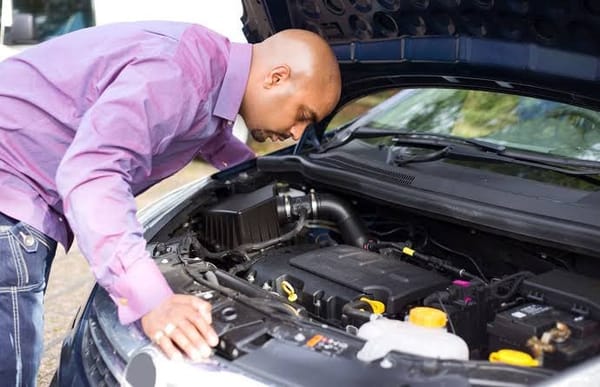
One of the most fascinating aspects of the automotive world is that every vehicle has a history.
Even two seemingly identical cars can have completely different stories.
One vehicle may have been carefully maintained by a single owner for ten years.
Another may have passed through multiple states, survived severe weather, been repaired after an accident and sold through several auctions before reaching its current owner.
From the outside, both cars may appear nearly identical.
But their histories can be dramatically different.
This reality has become increasingly important in today's used car market.
Vehicle appearance alone rarely tells the full story.
Fresh paint, professional detailing and attractive photographs can create a strong first impression.
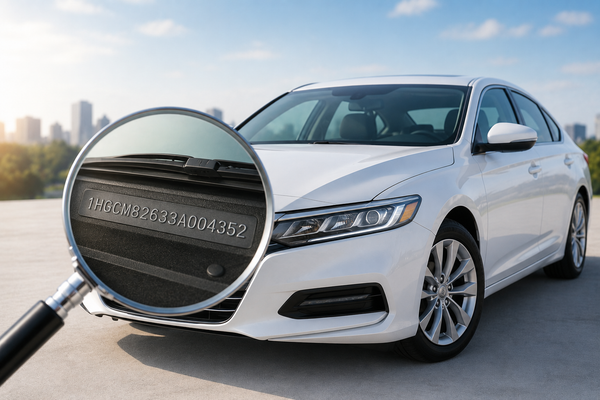
However, a vehicle's true condition often depends on factors that cannot be seen during a quick inspection.
Past accidents.
Flood exposure.
Salvage titles.
Odometer inconsistencies.
Insurance claims.
Ownership history.
Service records.
These details can significantly influence both value and long-term reliability.
Why Smart Buyers Look Beyond Appearances
The used vehicle market offers incredible opportunities.
Many buyers find excellent vehicles that provide years of reliable service at a fraction of the cost of a new car.
However, successful buyers usually have one thing in common.
They perform research before making a decision.
Buying a vehicle is often one of the largest purchases people make outside of housing.
Yet many shoppers spend more time researching a smartphone than they do researching a car.
That can be an expensive mistake.
Experienced buyers understand that confidence comes from information.
They compare listings.
Review maintenance records.
Arrange inspections.
Verify ownership history.
And whenever possible, they gather additional data about the vehicle's past.
The goal isn't to find a perfect vehicle.
The goal is to understand exactly what you're buying.
The Human Side of Automotive Culture
Automotive culture isn't only about machines.
It's about people.
Families creating memories on vacations.
Parents teaching teenagers how to drive.
Friends gathering at weekend car meets.
Enthusiasts helping each other restore classic vehicles.
Communities sharing knowledge and experiences.
Cars often become part of important life moments.
They are present during celebrations, milestones, adventures and everyday routines.
That emotional connection helps explain why people develop strong attachments to specific vehicles.
A car can represent a period of life.
A personal achievement.
A memorable journey.
Or simply a collection of experiences that matter.
Looking Toward the Future
The future of transportation will likely look very different from today.
Electric vehicles will continue growing.
Autonomous technologies will advance.
Connected infrastructure will reshape mobility.
New business models may change how people own and use vehicles.
But regardless of how technology evolves, one thing will remain constant.
People will continue searching for freedom, exploration and meaningful experiences.
Cars will continue carrying families on road trips.
Drivers will continue chasing scenic routes.
Enthusiasts will continue admiring great design.
And memorable drives will continue creating stories worth sharing.
Because at its best, driving has never been solely about transportation.
It's about possibility.
It's about discovery.
It's about the feeling that exists somewhere between where you are and where you're going.
And that is why some drives are worth remembering.
AutoPulse Journal explores automotive culture, vehicle history insights, industry trends, auction markets, emerging technologies and smart car-buying strategies for drivers around the world.