Used EV Prices Continue to Fall — Creating New Opportunities for Buyers

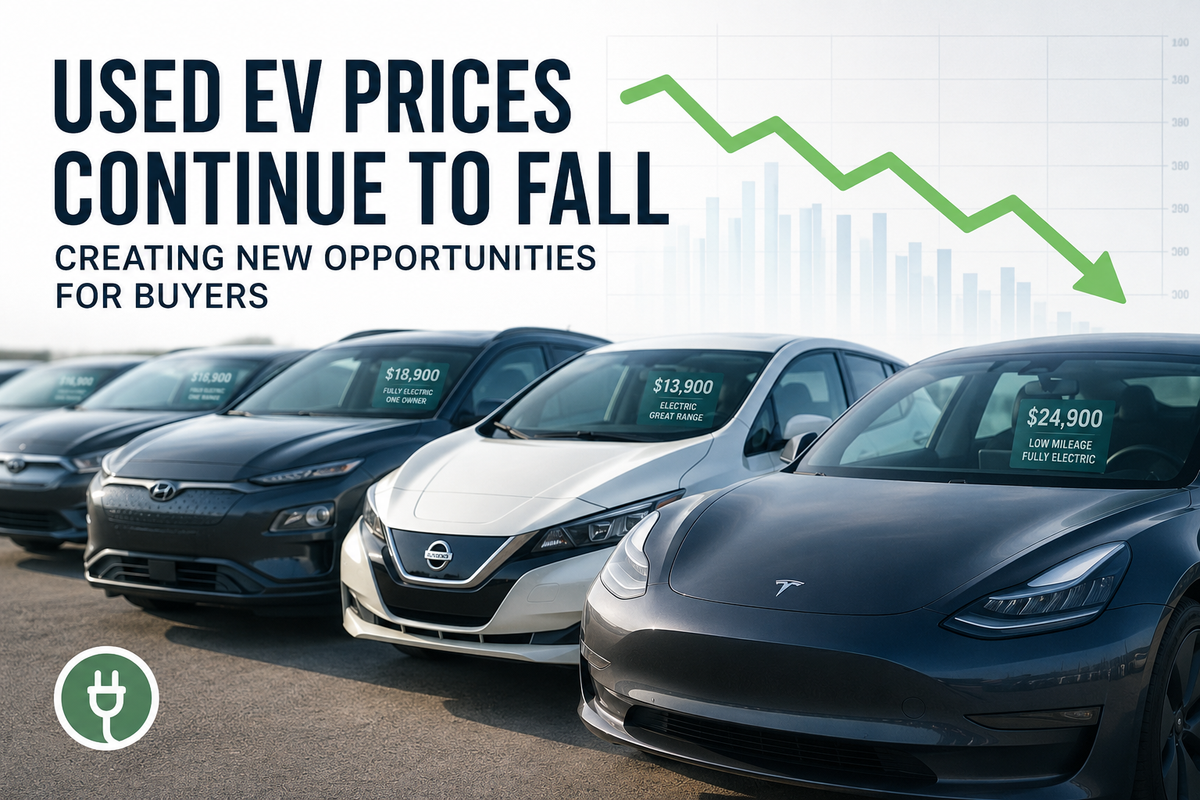
The electric vehicle market is entering a new phase, and for many consumers, it may be the most affordable phase yet.
Over the past few years, electric vehicles have transformed from niche products into a mainstream part of the automotive industry. Major manufacturers have invested billions of dollars into EV development, governments have introduced incentives to encourage adoption, and consumers have become increasingly familiar with electric mobility.
However, while new EV sales continue to attract attention, another trend is beginning to reshape the market: falling prices for used electric vehicles.
For buyers willing to consider a pre-owned EV, this shift could create some of the best purchasing opportunities seen in years.
Why Are Used EV Prices Falling?
Several factors are contributing to the decline in used EV prices.
The first is simple supply and demand.
Large numbers of leased electric vehicles are now reaching the end of their contracts and returning to the market. At the same time, manufacturers continue introducing newer models with improved range, faster charging capabilities, and updated technology.
As a result, many first-generation and early second-generation EVs are becoming available on the used market in growing numbers.
Increased inventory naturally puts downward pressure on prices.
Another factor is consumer expectations.
Many buyers compare older EVs to the newest models and focus on differences in battery range, charging speed, and onboard technology. While these improvements are important, they can also create opportunities for value-conscious buyers who don't necessarily need the latest features.
A Different Kind of Depreciation
Traditionally, luxury vehicles experience some of the highest depreciation rates in the automotive market.
Electric vehicles are beginning to follow a similar pattern.
Some EV models lose value faster than comparable gasoline-powered vehicles, particularly during periods of rapid technological advancement.
For original owners, this can be frustrating.
For used-car buyers, however, depreciation often creates opportunity.
A vehicle that cost $40,000–$60,000 new may become available for significantly less after several years of ownership.
This allows buyers to access modern safety systems, advanced driver-assistance features, and electric drivetrains at much lower entry prices.
What Buyers Should Pay Attention To
While falling prices are creating opportunities, purchasing a used EV still requires research.
Battery condition remains one of the most important factors.
Unlike traditional vehicles, where buyers often focus primarily on engine and transmission condition, EV buyers should pay close attention to battery health and charging performance.
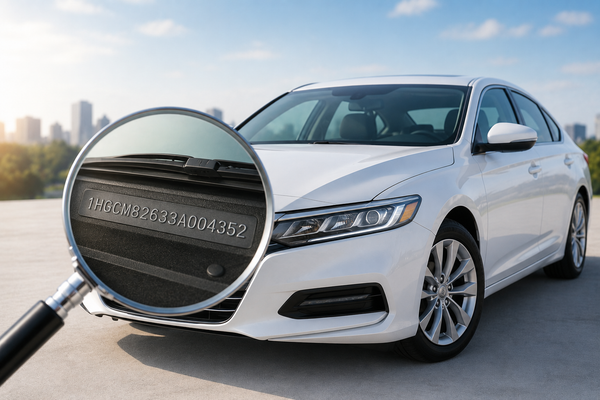
Vehicle history is also important.
Previous accidents, flood damage, auction records, and maintenance history can influence both reliability and future value.
As the used EV market grows, understanding a vehicle's background becomes increasingly valuable.
Many buyers now review ownership records, damage history, and auction activity before making a purchase decision.
Why This Matters for the Automotive Industry
The growing used EV market represents an important milestone for the industry.
For years, discussions about electric vehicles focused primarily on new-car buyers. Today, a healthy used market is beginning to emerge, making EV ownership accessible to a much larger group of consumers.
This shift could accelerate adoption by reducing one of the biggest barriers to entry: purchase price.
At the same time, dealerships, service providers, and manufacturers are adapting to a market where electric vehicles remain in circulation longer and pass through multiple owners.
The used EV ecosystem is becoming an increasingly important part of the broader automotive landscape.
Looking Ahead
Industry analysts expect the used EV market to continue evolving over the next several years.
As more vehicles return from leases and additional models enter the secondary market, buyers will likely have more choices than ever before.
For consumers, this could mean greater affordability and access to electric mobility.
For the industry, it represents another step in the maturation of the electric vehicle market.
The conversation is no longer only about who is buying new electric vehicles.
It is increasingly about who will buy them next.
Source:
Reuters — Electric vehicle market and used EV pricing trends
This article is based on publicly available reporting and market analysis regarding trends in used electric vehicle pricing and market development.