Can a Vehicle History Report Miss an Accident? Here's What Every Buyer Should Know

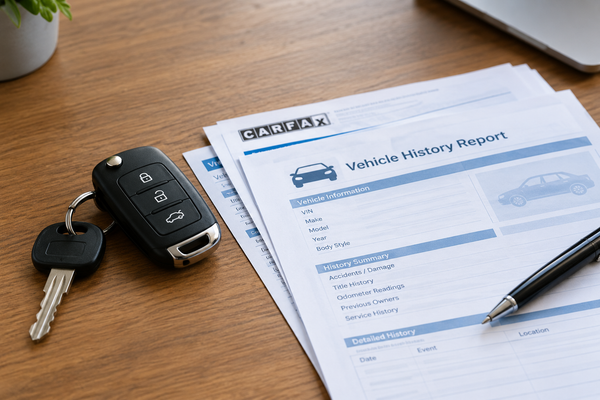
When buying a used car, many people assume that a vehicle history report tells the complete story. While these reports are one of the most valuable tools available, they aren't always perfect.
One of the most common questions buyers ask is:
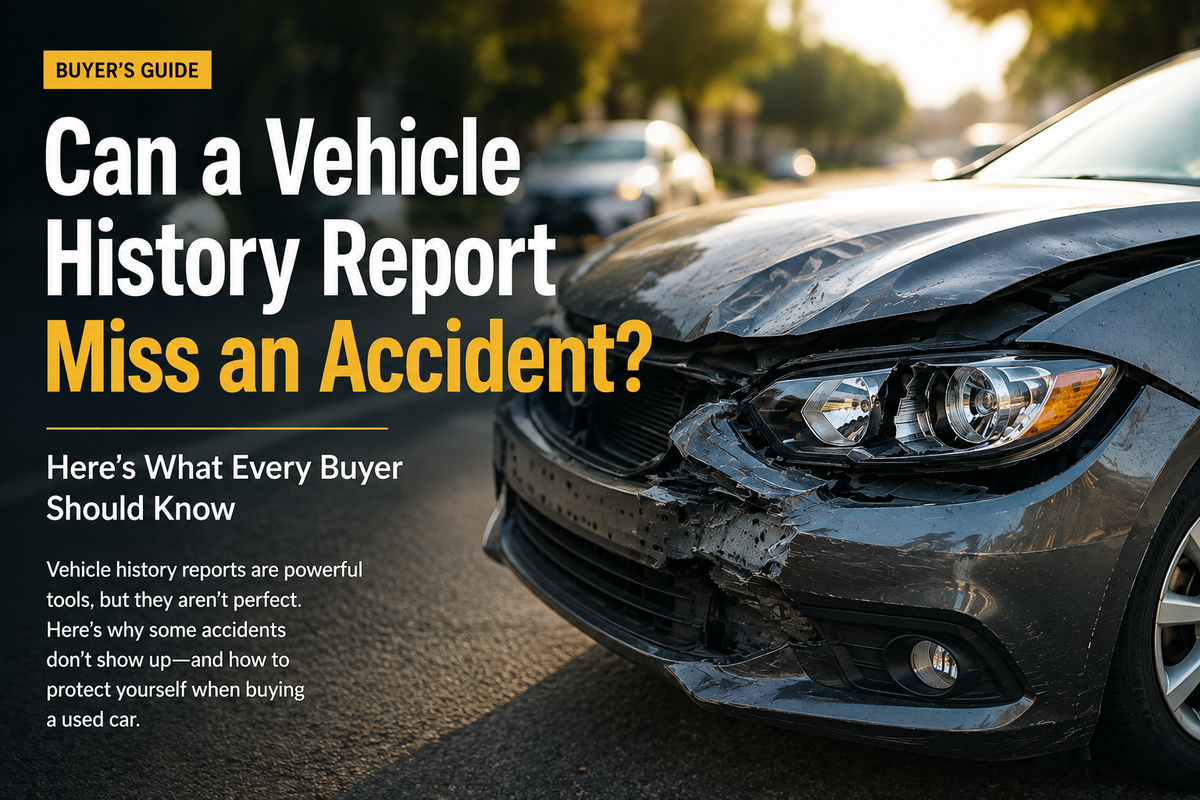
Can a vehicle history report miss an accident?
The honest answer is yes—but understanding why can help you make a much smarter buying decision.
Why Doesn't Every Accident Appear?
Vehicle history reports collect information from many different sources, including:
- Insurance companies
- State motor vehicle agencies
- Police records (when available)
- Auto auctions
- Repair facilities
- Service centers
- Fleet operators
However, not every accident is reported to these sources.
For example, if a driver pays for repairs out of pocket and never files an insurance claim, that incident may never become part of a vehicle's documented history.
Small Repairs Often Leave No Digital Record
Not every damaged bumper or scratched fender creates an official record.
A vehicle may receive cosmetic repairs at a local body shop without any information ever being shared with commercial vehicle history databases.
That's why it's possible for a car to have previous repairs while still showing a relatively clean history report.
Reports Continue to Update
Vehicle history reports are not static documents.
New information can appear days, weeks, or even months after an event occurs.
For that reason, running a fresh report before purchasing a vehicle is always a better choice than relying on an older copy.
What Else Should You Check?
A vehicle history report should be part of your buying process—not the entire process.
Before purchasing a used car, it's also wise to:
- Inspect the vehicle carefully.
- Verify that the VIN matches all documents.
- Request maintenance records.
- Arrange a professional pre-purchase inspection.
- Test drive the vehicle under different conditions.
These additional steps can reveal issues that may not appear in any database.
Does That Mean History Reports Aren't Useful?
Quite the opposite.
Even though no report can guarantee that every event has been recorded, vehicle history reports often reveal information that would otherwise remain hidden, including:
- Previous accidents
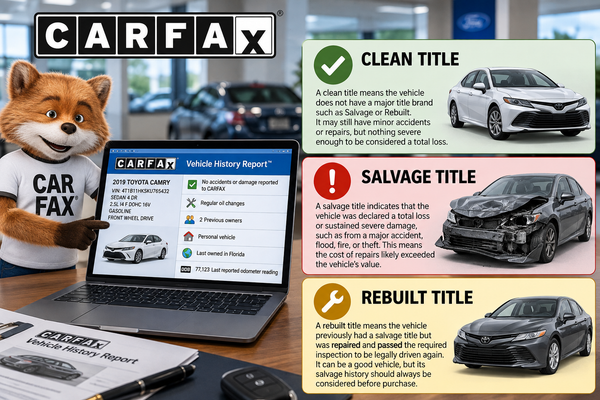
- Title brands
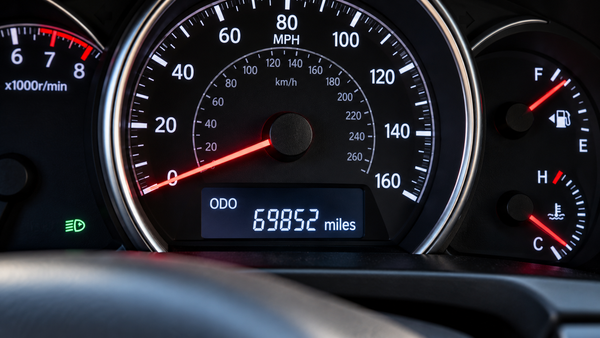
- Odometer inconsistencies
- Auction history
- Ownership changes
- Flood or salvage records
- Open recalls
For many buyers, discovering just one of these issues before completing a purchase can save thousands of dollars.
Final Thoughts
No vehicle history report should be treated as the only source of information when buying a used car.
Instead, think of it as one of the most important parts of a complete buying strategy.
Combine a vehicle history report with a careful inspection, verified documentation, and a professional mechanic's opinion. Doing so greatly reduces the chances of unpleasant surprises after you drive your new vehicle home.
If you're ready to review a vehicle's background before making a purchase, compare available report options and learn more about VIN history checks at https://cheapvinreport.com/.