Where Is CARFAX Used? United States, Canada, and Europe Explained

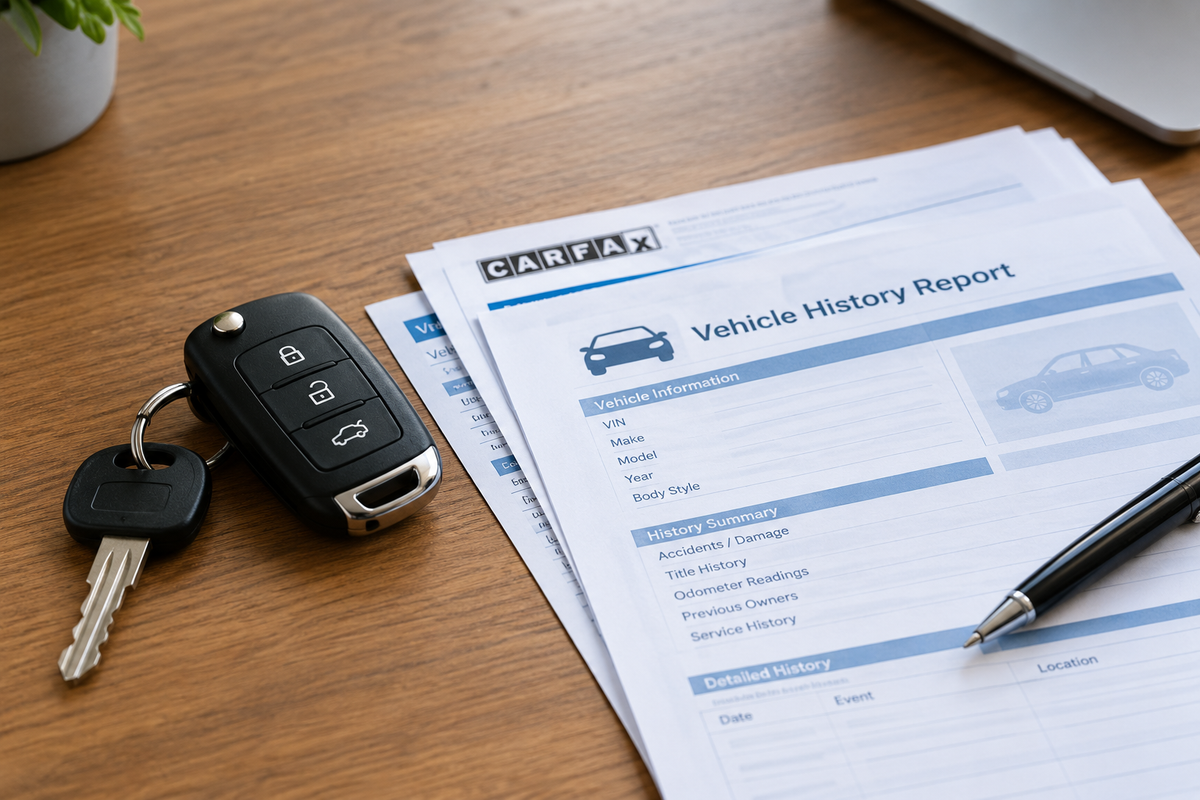
CARFAX is one of the most widely recognized vehicle history reporting services in North America. It is commonly used by dealerships, private sellers, and car buyers to review a vehicle's background before completing a purchase.
Although CARFAX is primarily associated with the United States and Canada, its reports are also relevant in Europe, particularly for vehicles imported from North America.
Understanding where CARFAX is used, what information it provides, and what its limitations are can help buyers make more informed decisions in the used-car market.
CARFAX in the United States
The United States is CARFAX's primary market. The service is widely used in the American automotive industry, where vehicle history reports are an important part of many used-car transactions.
A CARFAX report may contain information about:
- Previous accidents and reported damage
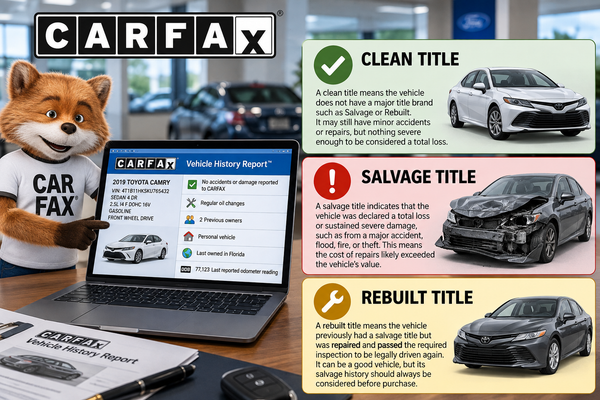
- Title history, including salvage and rebuilt titles
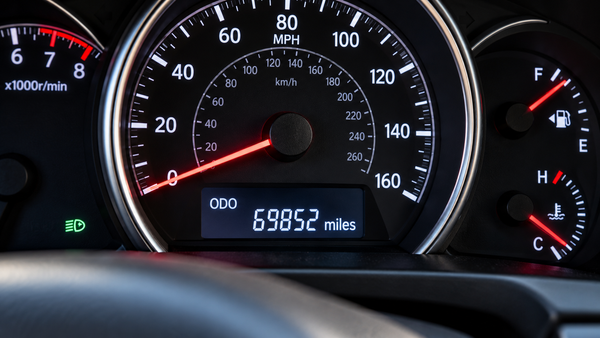
- Recorded odometer readings
- Previous owners and registration history
- Available service and maintenance records
- Certain commercial, rental, or fleet usage records
Many dealerships provide CARFAX reports to prospective buyers. Private buyers can also obtain reports to review a vehicle's available history before making a purchase.
However, CARFAX does not have access to every accident, repair, or maintenance record. A report with no recorded accidents should not be interpreted as proof that a vehicle has never been damaged.
CARFAX Canada
Canada has a dedicated vehicle history reporting service called CARFAX Canada, which focuses on the Canadian automotive market.
It provides vehicle history information that may include:
- Accident and damage records
- Provincial registration information
- Odometer readings
- Available lien information
- Service and maintenance records
- Imported vehicle history, where available
CARFAX Canada is used by dealerships, insurance-related businesses, and private buyers. It can be particularly useful when purchasing a vehicle that has moved between Canadian provinces or was previously registered in the United States.
Although CARFAX and CARFAX Canada share the same brand, their databases and coverage are not identical. Buyers should select the service that is relevant to the vehicle's registration history.
CARFAX in Europe
CARFAX is also known in parts of Europe, particularly among buyers and dealers who specialize in imported vehicles.
Many cars imported into European countries originate in the United States or Canada. Before export, some of these vehicles may have been involved in accidents, declared total losses, or sold through insurance auctions.
A CARFAX report may reveal relevant records from the vehicle's North American history, including reported damage, title branding, and mileage information.
However, CARFAX coverage in Europe is not uniform. A report may contain useful information about a vehicle's previous life in North America without reflecting its subsequent European registration, repairs, or inspections.
For vehicles manufactured and operated primarily in Europe, local databases, registration documents, inspection records, and maintenance history may be more relevant.
Why CARFAX Is Important for Imported Vehicles
Imported vehicles can have complex histories that are difficult to verify through a visual inspection alone.
For example, a vehicle may have been declared a total loss in the United States, repaired, and subsequently exported to Europe. Although the car may look presentable, its previous title status and damage history could have a significant impact on its value.
Checking available vehicle history records can help buyers:
- Identify previously reported accidents
- Review title and ownership records
- Detect potential mileage inconsistencies
- Investigate vehicles with salvage or rebuilt titles
- Prepare questions for the seller or inspection specialist
A CARFAX report can provide valuable background information, but it should always be considered alongside the vehicle's current condition and original documentation.
Does CARFAX Work for Every Vehicle in Europe?
No. The amount of information available depends on the vehicle's origin, registration history, and the records supplied to CARFAX.
A vehicle that spent several years in the United States may have a substantial number of records in the database. A vehicle that has spent its entire life in Europe may have little or no CARFAX history.
Even for imported vehicles, records generated after the car arrived in Europe may not be included in a North American report.
For this reason, buyers should identify the vehicle's country of origin and choose history-checking services that cover the relevant markets.
CARFAX vs. Other Vehicle History Services
CARFAX is not the only service available for checking vehicle history. Depending on the vehicle and its country of origin, other VIN-based services may provide additional records or alternative coverage.
When comparing vehicle history services, buyers should consider:
- The countries and databases covered
- Availability of accident and damage information
- Title and registration history
- Odometer records
- Availability of auction photographs
- Report details and data limitations
Using more than one source may help build a broader picture of a vehicle's background, although duplicate reports do not guarantee complete coverage.
You can also explore vehicle history information and VIN-check resources at CheapVINReport.
How to Check a Vehicle Before Buying
Before purchasing a used or imported car, follow a few basic steps:
- Verify the VIN: Confirm that the vehicle identification number matches the documents and the number displayed on the vehicle.
- Check the vehicle's origin: Determine where it was first registered and whether it was imported.
- Obtain a history report: Select a service that covers the vehicle's previous market.
- Review the records: Pay attention to reported accidents, title status, mileage, and ownership history.
- Compare documentation: Check whether the report is consistent with registration papers, auction records, and maintenance documents.
- Arrange a professional inspection: Have a qualified mechanic assess the vehicle's structural, mechanical, and electronic condition.
These steps can help identify potential concerns before money changes hands.
Limitations of CARFAX Reports
Although CARFAX can be a useful source of information, it is not a complete record of every event in a vehicle's life.
Some accidents are never reported to the relevant databases. Repairs may be carried out without creating records accessible to CARFAX, and odometer readings may be incomplete.
A report should therefore be treated as one part of the vehicle-buying process rather than a guarantee of a car's condition or history.
For imported vehicles, it is particularly important to consider the possibility of missing records from countries outside the report's main coverage area.
Conclusion
CARFAX is primarily used in the United States and Canada, where it provides vehicle history information to dealerships, sellers, and buyers. In Europe, it is particularly relevant for checking imported vehicles with a North American background.
The value of a CARFAX report depends on the vehicle's origin and the availability of records. Combining a vehicle history report with document verification and a professional inspection gives buyers a more complete basis for evaluating a used car.
To learn more about VIN checks and vehicle history reports, visit CheapVINReport.