How Accurate Are Vehicle History Reports? What Every Used Car Buyer Should Know

Why Buyers Rely on Vehicle History Reports
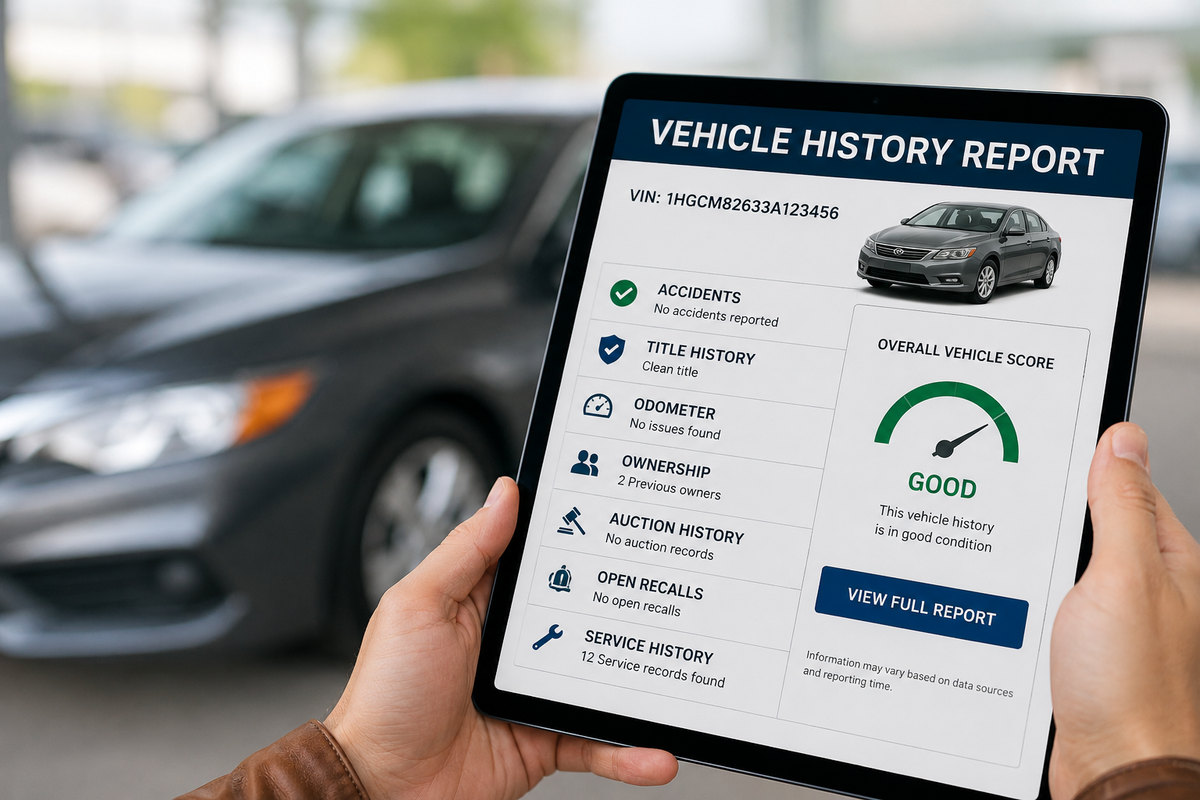
When you're buying a used car, a vehicle history report is one of the best tools available. It can reveal previous accidents, title changes, ownership history, mileage records, auction activity, recalls, and sometimes even photos from past sales.
For many buyers, this report is the difference between purchasing with confidence and making an expensive mistake.
But an important question remains:
How accurate are vehicle history reports?
The short answer is: they are extremely useful—but no report can guarantee that every event in a vehicle's life has been recorded.
Where the Information Comes From
Vehicle history reports combine information from many different sources, including:
- State motor vehicle agencies
- Insurance companies
- Auto auctions
- Service and maintenance providers
- Salvage yards
- Fleet operators
- Emissions and inspection records
- Other commercial data providers
Because information arrives from many independent sources, a report becomes more complete over time.
Why Some Events May Not Appear
Many buyers assume every accident is automatically recorded.
That isn't always true.
For example:
- Minor damage repaired without an insurance claim may never be reported.
- Some repair shops don't share repair data.
- Information can take weeks or months to appear.
- Certain records depend on local reporting practices.
This doesn't mean the report is wrong—it simply reflects the information available from participating data sources.
A Vehicle History Report Is Part of the Decision
A report should never be the only thing you check.
A smart buyer also looks at:
- The vehicle itself
- Service records
- A professional pre-purchase inspection
- VIN verification
- Title documents
When these pieces of information are combined, the risk of buying a problematic vehicle becomes much lower.
Why Checking Before You Buy Still Matters
Even if a report isn't perfect, it can reveal issues that are impossible to spot during a short test drive.
You may discover:
- Previous accident records
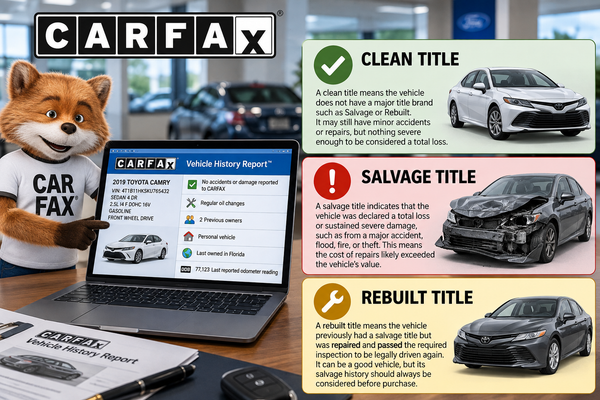
- Flood or salvage history
- Odometer inconsistencies
- Multiple ownership changes
- Auction history
- Open recalls
Finding even one of these issues before purchasing can save thousands of dollars.
Final Thoughts
No vehicle history report can promise to capture every event in a car's lifetime. However, it remains one of the most valuable tools available to used-car buyers.
Instead of relying only on appearance or the seller's description, reviewing a vehicle's history provides important context and helps you make a more informed decision before completing the purchase.