How to Compare Multiple Used Cars Without Paying for a History Report on Every VIN

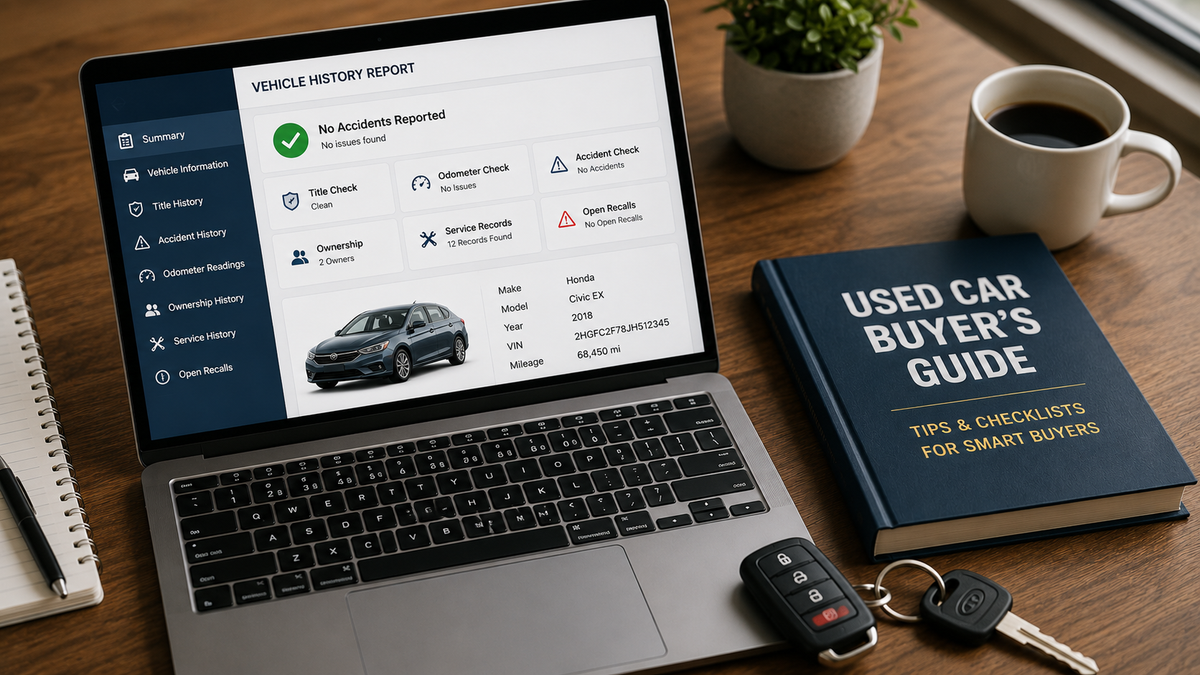
Buying a used car is exciting, but comparing several vehicles can become expensive if you purchase a history report for every VIN you find.
The good news is that you don't have to.
With a smarter approach, you can narrow your choices, reduce unnecessary costs, and still make a confident buying decision.
Step 1. Build a Shortlist First
Don't buy reports for every vehicle you save.
Start by comparing:
- Price
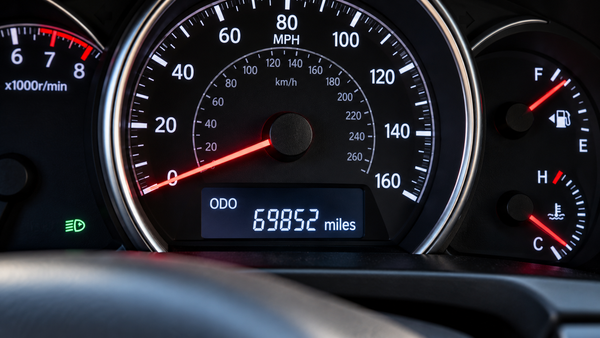
- Mileage
- Service history
- Number of previous owners
- Vehicle condition
- Photos
- Seller reputation
After your initial research, narrow your list to your top one or two vehicles.
Only then should you invest in detailed history reports.
Step 2. Ask the Seller
Many private sellers and dealerships already have a recent vehicle history report.
Some are happy to share it before you visit the vehicle.
Even if it's a few months old, it may help eliminate cars that clearly aren't worth your time.
Step 3. Compare Report Providers
Not every vehicle history report costs the same.
Before paying full price, compare different providers and look at what information each report includes.
Some reports focus on accident history, while others provide ownership records, title information, auction history, mileage records, recalls, or additional vehicle data.
If you're looking for affordable vehicle history reports and more used-car buying resources, visit:
There you'll also find educational articles explaining how VIN history reports work and what information they may contain.
Step 4. Don't Rely on the Report Alone
A vehicle history report is one of the most valuable tools available, but it shouldn't be your only source of information.
You should also:
- Inspect the vehicle carefully.
- Take it for a proper test drive.
- Verify the VIN on the vehicle.
- Review maintenance records.
- Arrange an independent pre-purchase inspection.
Combining these steps gives you a much clearer picture before making a purchase.
When Is It Worth Buying a Full History Report?
Once you've narrowed your search to one or two serious candidates.
That's when a detailed report becomes a smart investment.
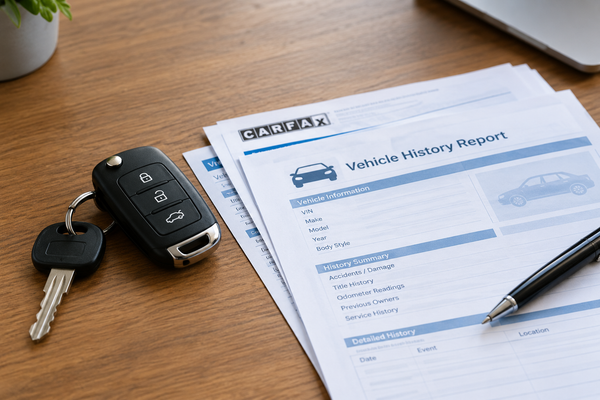
A quality vehicle history report may reveal:
- Previous accidents
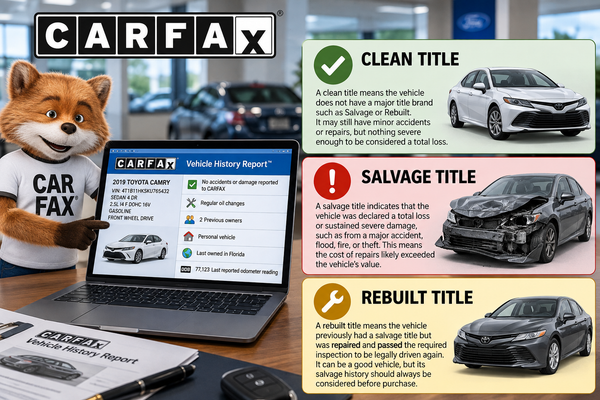
- Title brands
- Odometer inconsistencies
- Auction history
- Ownership changes
- Possible flood or salvage records
Before making your final decision, compare your report options at:
Common Mistakes Buyers Make
Many buyers spend money checking every vehicle they like online.
A better strategy is to eliminate obvious candidates first using free information, then invest in reports only for vehicles you're seriously considering.
This approach saves both time and money.
Final Thoughts
Buying a used car is about reducing risk—not eliminating it completely.
By narrowing your list first, asking sellers for existing reports, comparing report providers, and combining vehicle history information with a professional inspection, you'll make a much more informed decision without overspending.
If you'd like to learn more about VIN checks, used car buying tips, and affordable vehicle history reports, explore the guides available at:
Related Guides
- How Accurate Are Vehicle History Reports?
- Why Do Vehicle History Reports Sometimes Show Different Information?
- How to Read a Vehicle History Report Before Buying a Used Car
- Vehicle History Report vs VIN Decoder: What's the Difference?