What Does a Clean Title Really Mean? A Used Car Buyer's Guide

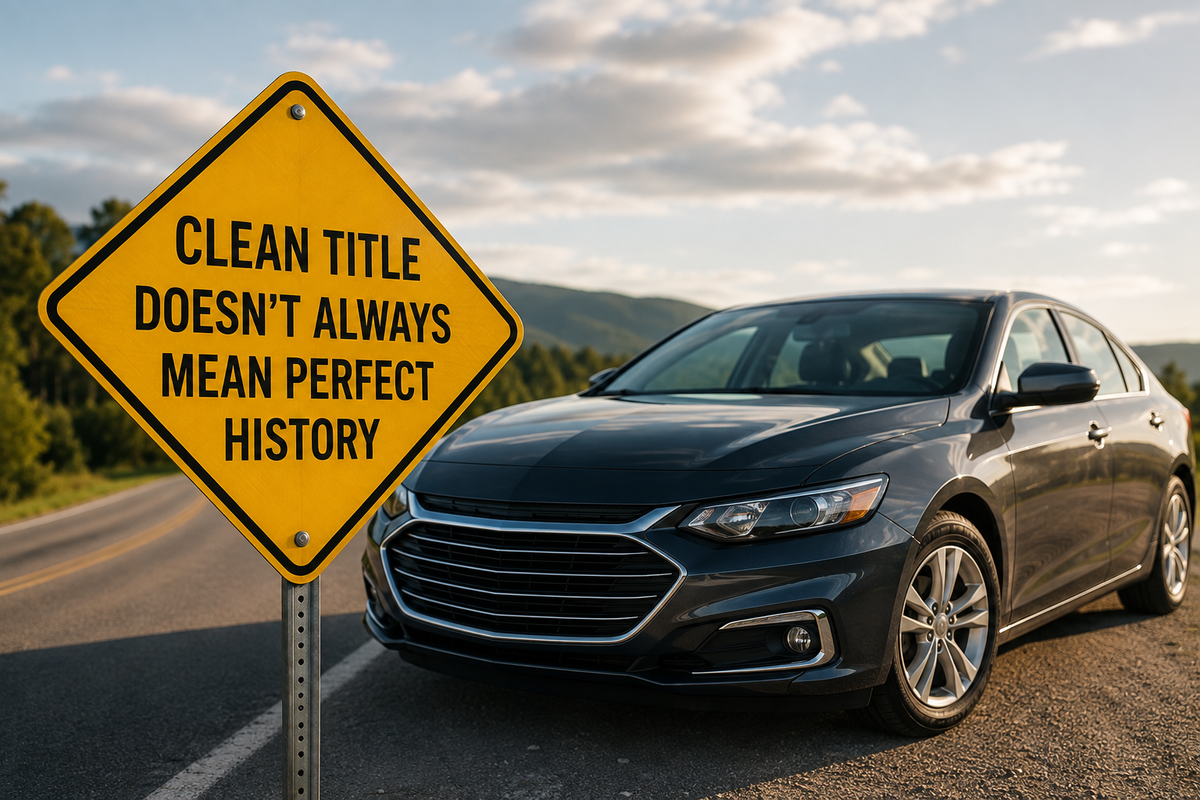
Buying a used car can be confusing, especially when sellers advertise a vehicle as having a clean title. Many buyers assume this automatically means the car has never been in an accident or suffered major damage.
Unfortunately, that's not always true.
Understanding what a clean title actually means can help you avoid expensive mistakes and make a smarter buying decision.
What Is a Clean Title?
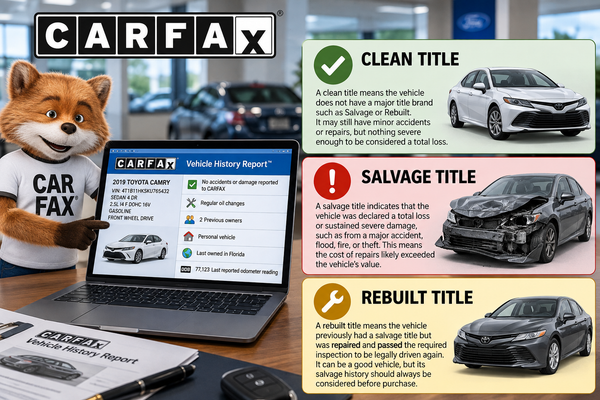
A clean title simply means the vehicle has not been officially branded by the state with titles such as:
- Salvage
- Rebuilt
- Flood
- Junk
- Lemon
- Total Loss
In other words, the title itself doesn't indicate that the vehicle has been declared a total loss under state regulations.
However, it doesn't guarantee that the car has never been damaged.
Can a Car With a Clean Title Have Accident History?
Yes.
Many vehicles with clean titles have been involved in accidents.
If the damage wasn't severe enough to trigger a title brand—or if repairs were completed without changing the title status—the vehicle may still legally keep a clean title.
That's why relying only on the title can be misleading.
What Else Should You Check?
Before buying any used vehicle, look beyond the title.
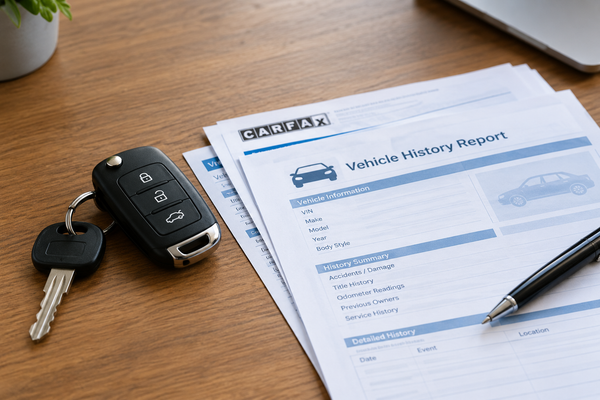
Review:
- Previous accident records
- Ownership history
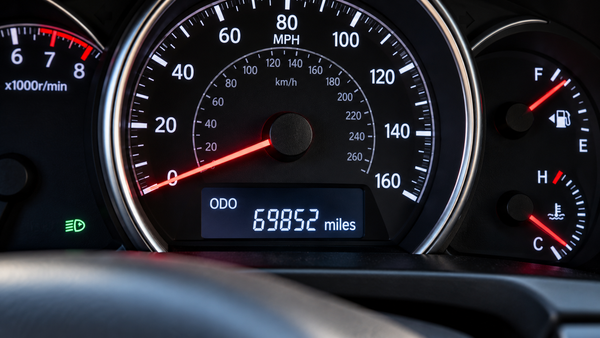
- Odometer readings
- Service records
- Auction history
- Open recalls
- Maintenance documentation
Each piece of information helps build a more complete picture of the vehicle's past.
Why Vehicle History Matters
A vehicle's history often reveals information that isn't obvious during a visual inspection.
For example:
- previous collision repairs;
- repeated ownership changes;
- auction sales;
- mileage inconsistencies;
- insurance records;
- service history.
Looking at multiple data points gives buyers more confidence before making a purchase.
Don't Skip a Professional Inspection
Even the most detailed vehicle history report should be combined with:
- a pre-purchase inspection;
- a thorough test drive;
- VIN verification;
- a review of maintenance records.
No single document tells the entire story.
Common Buyer Mistakes
Many first-time buyers assume:
✔ Clean title = perfect car.
In reality:
- A clean title doesn't guarantee the absence of previous repairs.
- Cosmetic damage may never affect title status.
- Some events appear in history records without changing the title.
Understanding this difference can save you thousands of dollars.
Final Thoughts
A clean title is certainly a positive sign—but it should never be the only factor in your buying decision.
The safest approach is to combine title information with a detailed vehicle history review, a professional inspection, and careful evaluation of the vehicle itself.
If you're researching a used vehicle, taking a few extra minutes before buying can help you avoid costly surprises later.