What Is a Carfax Report? A Complete Guide for Used Car Buyers

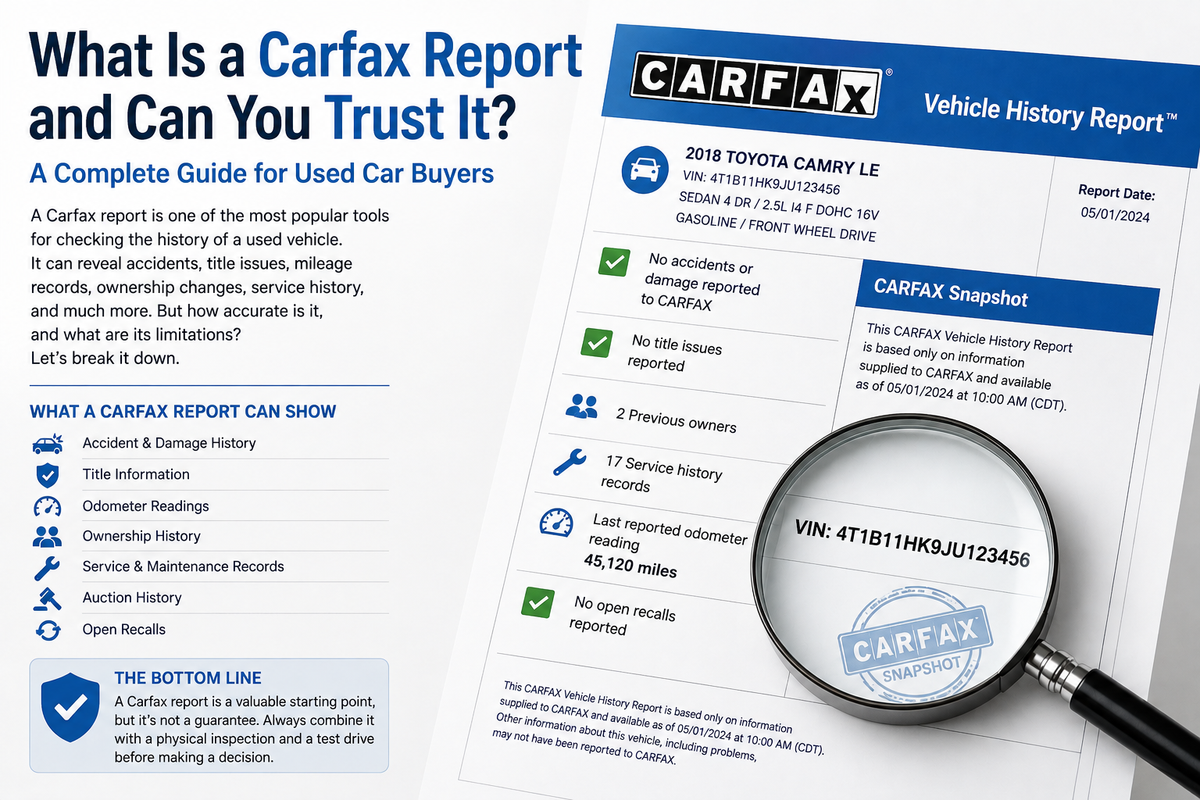
If you've ever shopped for a used car in the United States or Canada, you've probably come across the name Carfax.
Many dealerships proudly advertise "Clean Carfax" or "Carfax Available" because buyers often view it as a sign that a vehicle has a transparent history.
But does a Carfax report really tell you everything about a vehicle?
Not exactly.
A Carfax report is one of the most useful tools available when buying a used car—but it's important to understand both its strengths and its limitations.
What Is a Carfax Report?
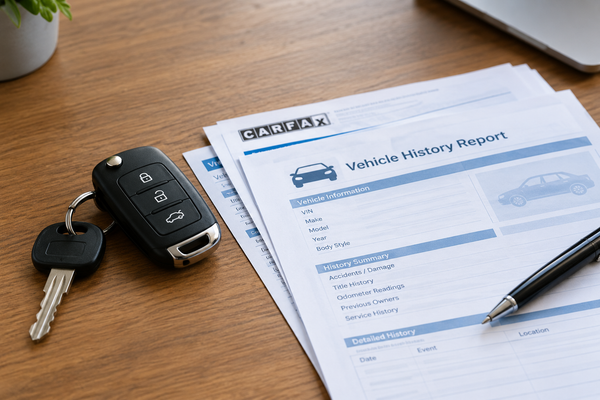
A Carfax report is a vehicle history report generated using a vehicle's VIN (Vehicle Identification Number).
Its purpose is to collect available historical information about a vehicle and present it in one easy-to-read report.
Instead of relying only on what a seller tells you, buyers can review documented records before making a purchasing decision.
What Information Does a Carfax Report Include?
Depending on the available data, a Carfax report may include:
- Accident history
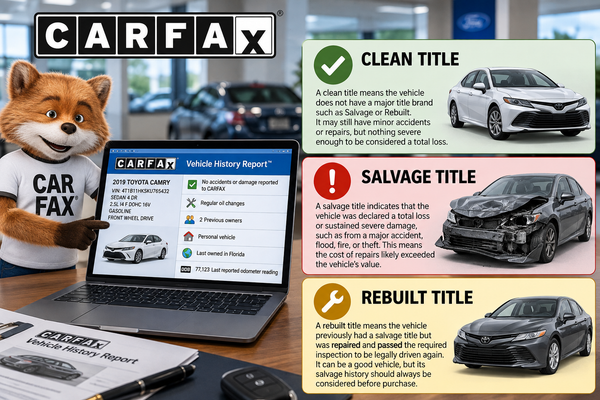
- Title information
- Ownership history
- Odometer readings
- Service and maintenance records
- Open safety recalls
- Auction history
- Flood or salvage history
- Registration history
Not every report contains every category, but these are some of the most common types of information buyers look for.
Where Does Carfax Get Its Data?
Carfax gathers information from thousands of sources, including:
- State motor vehicle agencies
- Insurance companies
- Dealerships
- Service and repair facilities
- Vehicle auctions
- Fleet operators
- Inspection stations
The company combines these records into a single vehicle history report.
Is a Carfax Report Always Complete?
No.
This is one of the biggest misconceptions among first-time buyers.
A Carfax report can only display information that has actually been reported to its data network.
If an accident or repair was never reported, it may not appear.
That doesn't necessarily mean the report is inaccurate - it simply means that no vehicle history database can include information it never received.
Why Might Some Damage Be Missing?
There are several reasons:
Private Repairs
If an owner pays for repairs without involving an insurance company, there may be no official record.
Independent Repair Shops
Some body shops don't share repair information with vehicle history databases.
Recent Incidents
New accidents or title updates sometimes take days or weeks before appearing in a report.
Does a Clean Carfax Mean a Perfect Car?
No.
A clean report simply means there are no qualifying negative events recorded in the available database.
It does not guarantee that the vehicle has:
- Never been repaired
- Never been repainted
- Never suffered cosmetic damage
- Never had privately repaired accident damage
This is why experienced buyers never rely on a report alone.
What Else Should You Check?
Before purchasing any used vehicle, you should also:
- Inspect the body carefully.
- Check for uneven panel gaps.
- Look for paint inconsistencies.
- Verify the VIN.
- Review maintenance records.
- Take the vehicle for a test drive.
- Arrange an independent pre-purchase inspection.
These steps often reveal issues that no report can identify.
Why Buyers Still Use Carfax
Despite its limitations, Carfax remains one of the most trusted vehicle history services in North America.
It helps buyers discover information that would otherwise be difficult to obtain, including:
- Previous accidents
- Ownership changes
- Title brands
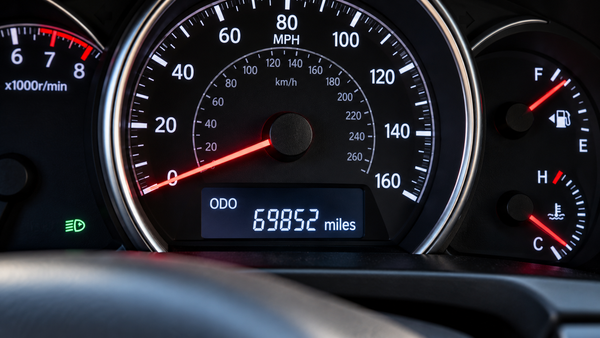
- Odometer inconsistencies
- Reported service history
- Auction records
- Recall information
For many buyers, this information can prevent expensive mistakes.
Common Mistakes Buyers Make
Many people assume:
Clean Carfax = Perfect Car
Unfortunately, that's not always true.
The smartest buyers understand that a vehicle history report is one part of the buying process—not the entire process.
The Best Buying Strategy
A smart used-car purchase combines several steps:
✅ Review the Carfax report.
✅ Inspect the vehicle in person.
✅ Verify the VIN.
✅ Check maintenance records.
✅ Have an independent mechanic inspect the vehicle.
✅ Complete a thorough test drive.
Using all of these together provides the clearest picture of a vehicle's condition.
Final Thoughts
A Carfax report is an excellent starting point when researching a used vehicle.
It can reveal valuable information about a car's past and help buyers avoid many common problems.
However, no history report should ever replace a professional inspection or your own careful evaluation.
The best buying decisions come from combining multiple sources of information before signing the paperwork.